

Description
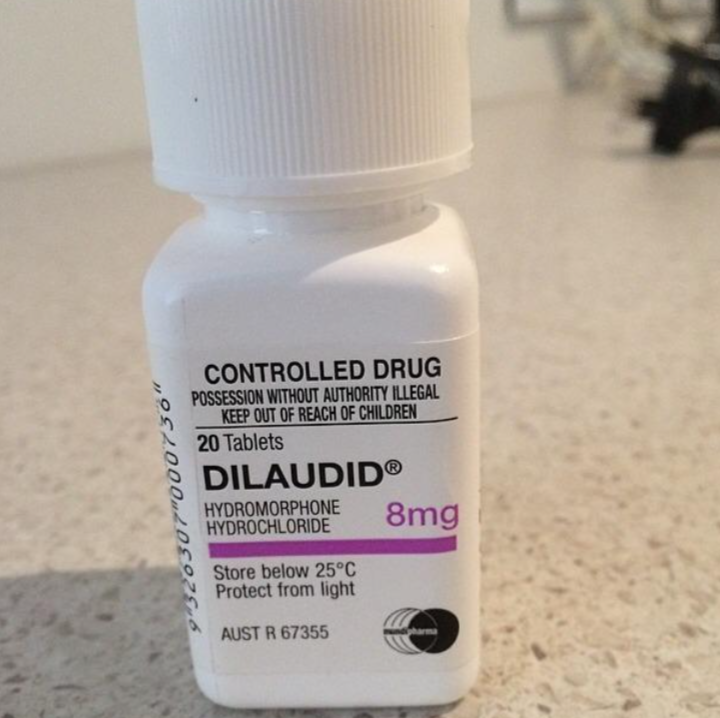
Buy Dilaudid (Hydromorphone) Online: Uses, Side Effects, Dosage Information, and Safety Guide
Understanding Dilaudid (Hydromorphone)
Dilaudid, the brand name for hydromorphone, is a prescription opioid medication used in the management of moderate to severe pain. Healthcare providers may prescribe hydromorphone when other pain treatments do not provide adequate relief or are not appropriate for a patient’s condition.
As a powerful opioid analgesic, Dilaudid should be used only under medical supervision due to the risks associated with misuse, dependence, and respiratory depression.
What Is Dilaudid Used For?
Hydromorphone may be prescribed for several medical conditions involving significant pain, including:

- Post-surgical pain
- Cancer-related pain
- Severe injury-related pain
- Chronic pain requiring opioid treatment
- Pain that has not responded to non-opioid therapies
The suitability of hydromorphone depends on individual patient circumstances and clinical evaluation.
How Dilaudid Works
Hydromorphone acts on opioid receptors located in the brain and spinal cord. By influencing these receptors, the medication changes how pain signals are processed and perceived by the body, helping reduce pain intensity.
Available Dosage Forms
Depending on local regulations and healthcare practices, hydromorphone may be available as:
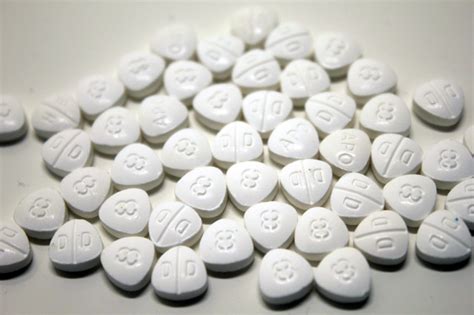
- Immediate-release tablets
- Oral liquid formulations
- Extended-release tablets
- Injectable solutions administered in healthcare settings
Patients should always follow dosing instructions provided by their healthcare provider.
Common Side Effects
Some individuals taking Dilaudid may experience:
- Drowsiness
- Dizziness
- Nausea
- Vomiting
- Constipation
- Dry mouth
- Sweating
These side effects may vary from person to person.
Serious Risks and Warnings
Because hydromorphone is a potent opioid, it carries important safety risks, including:
Respiratory Depression
Slow or shallow breathing can occur, particularly at higher doses or when combined with other sedating substances.
Dependence and Addiction
Long-term use may result in physical dependence and, in some cases, opioid use disorder.
Overdose Risk
Misuse or accidental overdose can be life-threatening and requires immediate emergency medical attention.
Drug Interactions
Hydromorphone may interact with:
- Benzodiazepines
- Sleep medications
- Alcohol
- Muscle relaxants
- Certain antidepressants
- Other opioid medications
Patients should discuss all medications and supplements with their healthcare provider before beginning treatment.
Frequently Asked Questions
Is Dilaudid stronger than morphine?
Hydromorphone is generally considered more potent than morphine on a milligram-to-milligram basis, although exact dosing comparisons should be made only by healthcare professionals.
Can Dilaudid cause addiction?
Yes. Like other opioid medications, hydromorphone has the potential for misuse, dependence, and addiction.
How quickly does Dilaudid work?
The onset of action depends on the dosage form and individual patient factors. Healthcare providers can offer guidance based on a patient’s treatment plan.
Safety Tips for Patients
- Take medication exactly as prescribed.
- Never share opioid medications with others.
- Store medication securely.
- Avoid alcohol unless approved by your healthcare provider.
- Seek immediate medical help if overdose symptoms occur.
Final Thoughts
Dilaudid (hydromorphone) remains an important medication for the treatment of severe pain when used appropriately and under medical supervision. Understanding its benefits, risks, side effects, and safety considerations can help patients make informed decisions about their treatment and discuss options with qualified healthcare professionals.


Reviews
There are no reviews yet.