
Description
Concerta for ADHD: Uses, Benefits, Dosage Information, and Patient Guidance
Introduction to Concerta
Concerta is a prescription medication used in the management of Attention Deficit Hyperactivity Disorder (ADHD). It contains methylphenidate hydrochloride, a stimulant medication that helps improve attention, focus, and behavioral control in individuals diagnosed with ADHD.
The medication utilizes an extended-release delivery system designed to provide gradual medication release throughout the day. This allows many patients to receive symptom support from a single morning dose.
What Is ADHD?
Attention Deficit Hyperactivity Disorder (ADHD) is a common neurodevelopmental condition that affects both children and adults. The disorder can influence a person’s ability to concentrate, manage impulses, stay organized, and complete everyday tasks.
ADHD symptoms generally fall into three categories:
Inattention
Individuals may experience:
- Difficulty staying focused on tasks
- Frequent careless mistakes
- Trouble following detailed instructions
- Poor organizational skills
- Forgetfulness in daily activities
Hyperactivity
Symptoms can include:
- Constant movement or fidgeting
- Difficulty remaining seated
- Excessive talking
- Feelings of restlessness
Impulsivity
Common examples include:
- Interrupting conversations
- Acting without considering consequences
- Difficulty waiting for turns
- Making quick decisions without planning
The impact of ADHD may extend to education, employment, relationships, and overall quality of life.
How Concerta Works in the Brain
Concerta belongs to a group of medications known as central nervous system stimulants. The medication affects neurotransmitters involved in attention regulation and executive functioning.
By increasing activity in specific brain pathways, Concerta may help patients:
- Improve concentration
- Maintain attention for longer periods
- Reduce impulsive behaviors
- Enhance task completion
- Improve daily productivity
Treatment response varies from person to person, and healthcare professionals typically monitor progress during therapy.
Potential Benefits of Concerta Treatment
When prescribed appropriately, Concerta may offer several advantages for individuals living with ADHD.
Potential benefits include:
- Extended symptom management throughout the day
- Convenient once-daily dosing
- Improved academic performance
- Better workplace productivity
- Enhanced organizational skills
- Increased ability to complete daily responsibilities
- Support for attention and focus
Many patients appreciate the convenience of a long-acting medication that reduces the need for multiple daily doses.
Available Concerta Dosage Strengths
Concerta is available in several strengths to accommodate individual treatment requirements.
Common dosage options include:
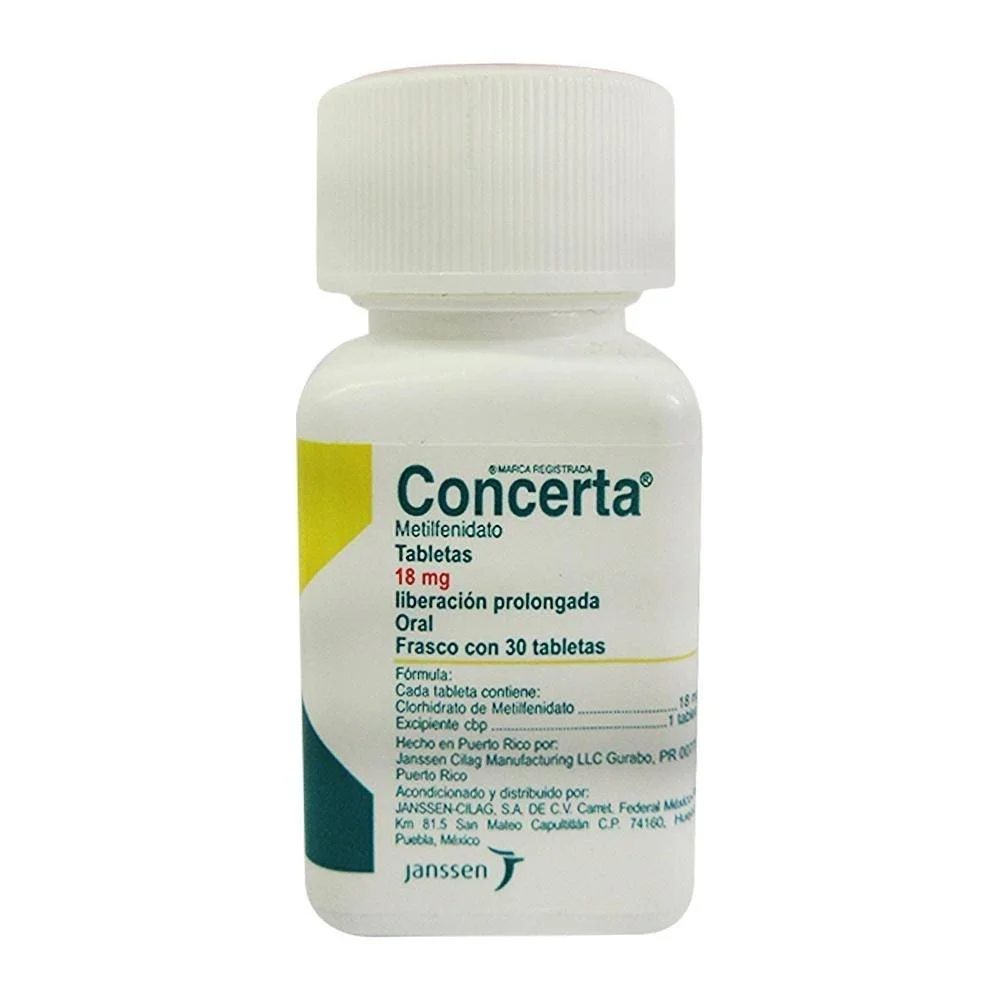
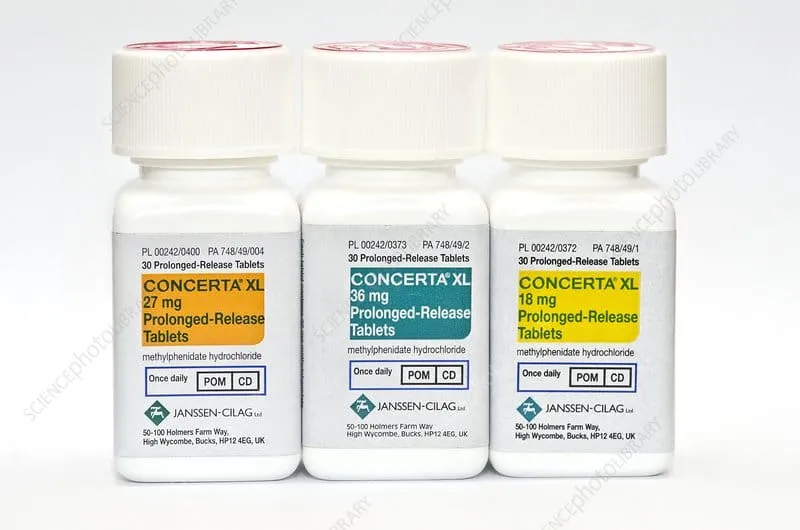
- Concerta 18 mg
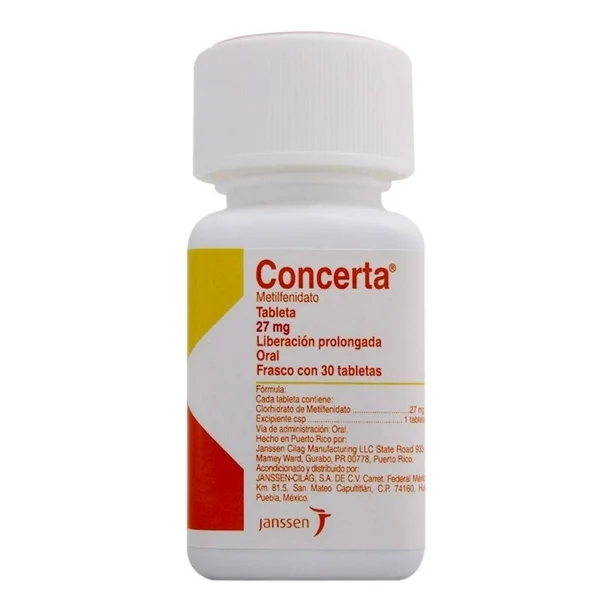
- Concerta 27 mg
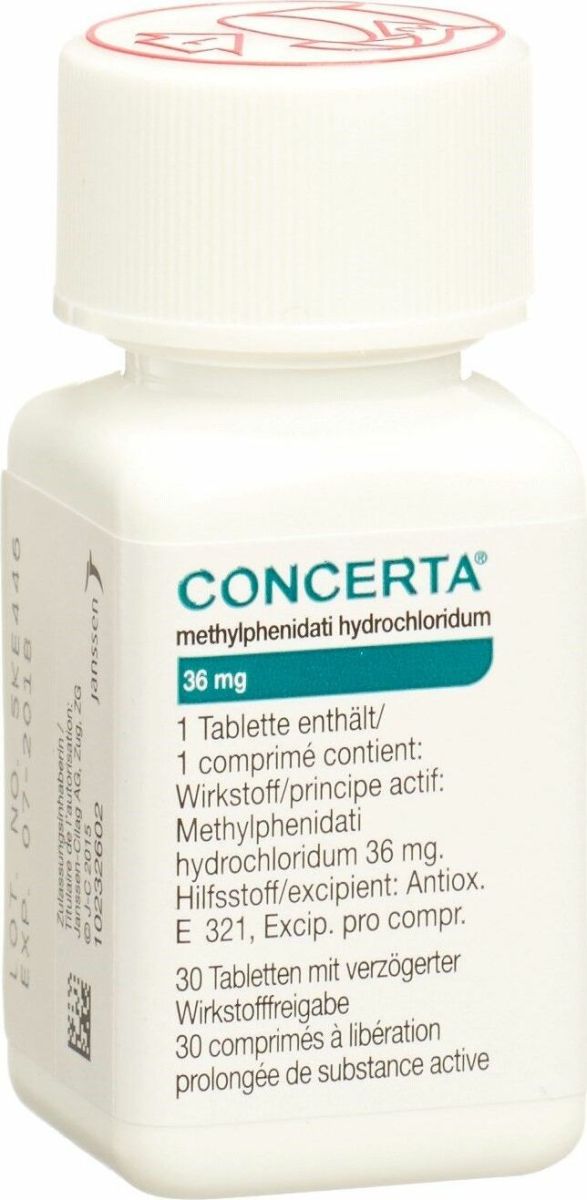
- Concerta 36 mg
- Concerta 54 mg
Healthcare providers determine the appropriate dose based on factors such as age, symptom severity, treatment goals, previous medication experience, and overall health status.
Patients should never adjust their dosage without professional medical advice.
Who May Be a Candidate for Concerta?
A healthcare provider may consider Concerta for individuals diagnosed with ADHD after a comprehensive medical evaluation.
Treatment decisions often consider:
- Age of the patient
- Symptom severity
- Medical history
- Current medications
- Response to previous ADHD treatments
- Presence of coexisting health conditions
A personalized treatment plan helps ensure that therapy aligns with individual needs.
Possible Side Effects
Like all medications, Concerta may cause side effects. Not everyone experiences adverse reactions, and many side effects may lessen as the body adjusts to treatment.
Frequently reported side effects include:
- Headache
- Reduced appetite
- Dry mouth
- Insomnia
- Nausea
- Nervousness
- Dizziness
- Stomach discomfort
Patients should consult a healthcare professional if side effects become severe or persistent.
Important Safety Considerations
Before starting Concerta, patients should discuss their complete medical history with a healthcare provider.
Special attention may be required for individuals with:
- Heart disease
- High blood pressure
- Anxiety disorders
- Bipolar disorder
- Seizure disorders
- History of substance misuse
- Other mental health conditions
Emergency medical care should be sought if serious symptoms such as chest pain, breathing difficulties, severe allergic reactions, or significant mood changes occur.
Supporting ADHD Beyond Medication
While medication can be an important component of ADHD treatment, many experts recommend combining medication with additional support strategies.
Examples include:
Behavioral Therapy
Behavioral interventions can help patients develop practical coping skills and improve daily functioning.
Structured Routines
Consistent schedules may reduce distractions and improve productivity.
Sleep Optimization
Adequate sleep is important for attention, memory, and emotional regulation.
Organizational Tools
Calendars, reminders, planners, and digital productivity tools may help improve time management.
Educational and Workplace Support
Appropriate accommodations may assist students and professionals in managing ADHD-related challenges.
A comprehensive treatment plan often produces better long-term outcomes than medication alone.
Frequently Asked Questions About Concerta
Is Concerta a stimulant?
Yes. Concerta contains methylphenidate hydrochloride, which is classified as a stimulant medication.
How often is Concerta taken?
Most patients take Concerta once daily as directed by their healthcare provider.
Does Concerta cure ADHD?
No. ADHD is a chronic condition, and Concerta is intended to help manage symptoms rather than cure the disorder.
How long does Concerta work?
Because it is an extended-release medication, Concerta is designed to provide symptom support throughout much of the day.
Can adults use Concerta?
Yes. Healthcare providers may prescribe Concerta for eligible adults diagnosed with ADHD when appropriate.
Final Thoughts
ADHD can affect multiple areas of daily life, including education, employment, relationships, and personal organization. Concerta is one of several treatment options that healthcare professionals may consider when developing an individualized ADHD management plan.
Patients should always follow professional medical advice, attend regular follow-up appointments, and discuss any concerns regarding treatment effectiveness or side effects with their healthcare provider.

Reviews
There are no reviews yet.