

Description
Ritalin (Methylphenidate): Complete Medication Overview
Quick Facts
| Information | Details |
|---|---|
| Generic Name | Methylphenidate |
| Brand Name | Ritalin |
| Medication Class | Central Nervous System Stimulant |
| Common Uses | ADHD and Narcolepsy |
| Prescription Required | Yes |
| Available Forms | Immediate-Release and Extended-Release Formulations |
Understanding Ritalin
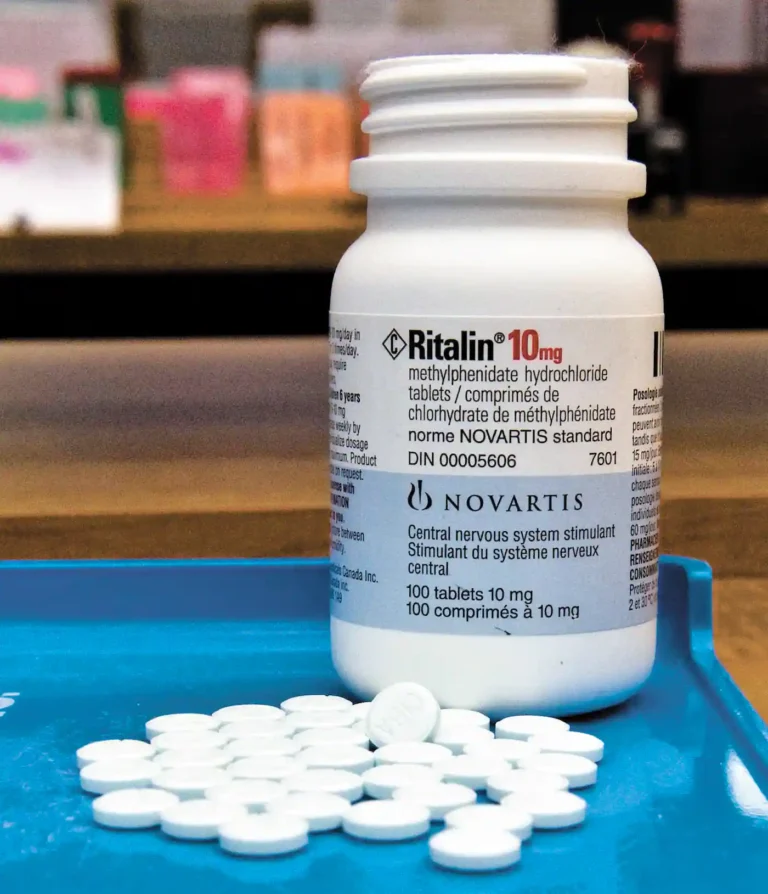
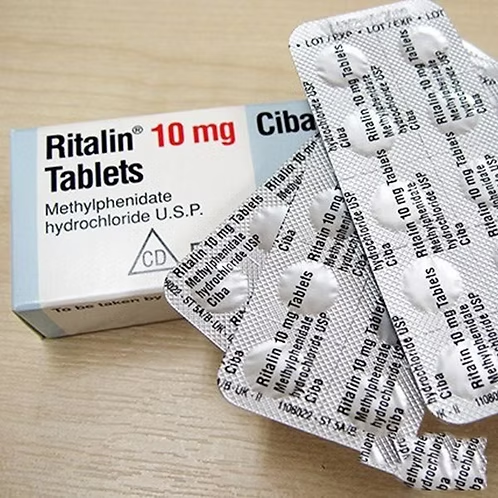
Ritalin is a prescription medication that contains methylphenidate, a stimulant that affects certain chemicals in the brain involved in attention, concentration, and impulse control. Healthcare professionals commonly prescribe Ritalin as part of a comprehensive treatment plan for individuals diagnosed with Attention-Deficit/Hyperactivity Disorder (ADHD) and certain sleep-related conditions such as narcolepsy.
Treatment plans are individualized and may include educational support, behavioral strategies, and regular medical follow-up.
Why Healthcare Providers Prescribe Ritalin
The primary goal of treatment is to help manage symptoms that interfere with daily activities.
Healthcare providers may prescribe Ritalin to help support:
- Sustained attention
- Improved concentration
- Better task completion
- Reduced impulsive behaviors
- Improved organization skills
- Management of excessive daytime sleepiness in narcolepsy
Treatment outcomes vary among individuals.
How Ritalin Works in the Body
Ritalin increases the availability of dopamine and norepinephrine within certain areas of the brain. These neurotransmitters play important roles in attention, motivation, executive functioning, and alertness.
Because every individual responds differently, healthcare providers often monitor treatment closely during the early stages to evaluate effectiveness and tolerability.
Available Formulations
Ritalin may be available in different formulations depending on local prescribing practices and product availability.
Immediate-Release Formulations
These formulations generally provide symptom control for a shorter duration and may require multiple daily doses.
Extended-Release Formulations
Extended-release formulations are designed to release medication gradually throughout the day and may reduce the need for repeated dosing.
Your healthcare provider will determine the most appropriate option.
What to Discuss With Your Healthcare Provider
Before beginning treatment, it is important to discuss:
- Current medications
- Heart conditions
- High blood pressure
- Mental health history
- Anxiety disorders
- Seizure disorders
- Previous substance misuse
- Family medical history
Providing complete information helps healthcare providers make safe treatment decisions.
Monitoring During Treatment
Regular monitoring may include evaluation of:
- Symptom improvement
- Sleep patterns
- Appetite changes
- Blood pressure
- Heart rate
- Overall treatment response
Follow-up appointments allow healthcare providers to adjust treatment when necessary.
Possible Side Effects
Like all medications, Ritalin may cause side effects.
Commonly reported side effects include:
- Headache
- Reduced appetite
- Difficulty sleeping
- Nervousness
- Dry mouth
- Stomach discomfort
Patients experiencing severe or unusual symptoms should seek medical advice promptly.
Frequently Asked Questions
Is Ritalin the Same as Methylphenidate?
Ritalin is a brand name that contains the active ingredient methylphenidate.
Does Everyone Respond the Same Way?
No. Treatment response varies between individuals.
Is Ongoing Medical Supervision Important?
Yes. Regular medical monitoring is an important part of treatment.
Can Treatment Be Adjusted?
Healthcare providers may adjust treatment based on effectiveness, tolerability, and individual needs.
How Should Ritalin Be Stored?
Store according to pharmacy instructions and keep out of reach of children.
Key Takeaway
Ritalin is a prescription medication containing methylphenidate that is commonly used in the management of ADHD and narcolepsy. Understanding how the medication works, available formulations, safety considerations, and treatment expectations can help patients make informed decisions in partnership with their healthcare providers.




Reviews
There are no reviews yet.