
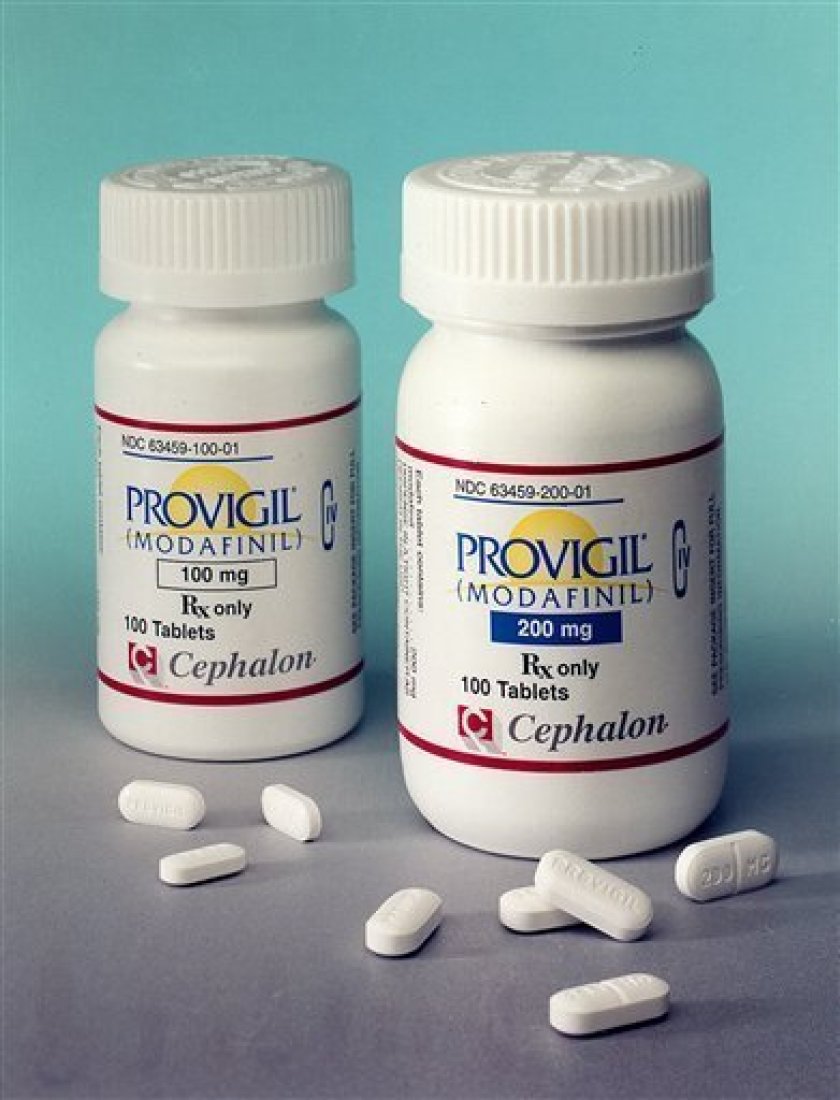


Description
Modafinil (Provigil): What Patients Should Know About Wakefulness, Focus, and Daily Performance
Why Modafinil Continues to Attract Attention
Few prescription medications generate as much interest as Modafinil. Originally developed to help people struggling with excessive daytime sleepiness, it has become one of the most discussed wakefulness-promoting medications in modern medicine.
People researching Modafinil are often looking for answers to practical questions:
- Why do doctors prescribe it?
- How does it affect alertness?
- Can it help with daytime fatigue?
- What side effects should patients know about?
- How does it compare to traditional stimulant medications?
Understanding these topics can help patients have more informed conversations with their healthcare providers.
The Science Behind Modafinil
Unlike many medications that simply stimulate the nervous system, Modafinil influences several brain pathways associated with wakefulness and attention.
Researchers believe it affects neurotransmitters involved in:
- Alertness
- Concentration
- Motivation
- Cognitive performance
- Sleep-wake regulation
Because of its unique mechanism, many patients describe the experience as feeling more awake and mentally engaged rather than experiencing the intense stimulation often associated with traditional stimulant medications.
Conditions Commonly Associated With Modafinil Treatment
Healthcare professionals may prescribe Modafinil for conditions involving excessive sleepiness, including:
Narcolepsy
Narcolepsy can make staying awake during normal daytime activities extremely difficult. Modafinil may help support daytime alertness and improve daily functioning.
Shift Work Sleep Disorder
Individuals who work overnight or rotating schedules often struggle with disrupted sleep cycles. Modafinil may help maintain wakefulness during scheduled working hours.
Obstructive Sleep Apnea-Related Sleepiness
Some patients continue experiencing daytime fatigue despite receiving treatment for sleep apnea. In selected cases, healthcare providers may consider Modafinil as part of a broader treatment plan.
What Patients Often Notice
Patient experiences vary, but some commonly reported observations include:
- Improved wakefulness
- Better daytime productivity
- Increased mental alertness
- Reduced episodes of unintended sleep
- Enhanced ability to remain focused on tasks
Individual responses differ based on health status, sleep quality, dosage, and other factors.
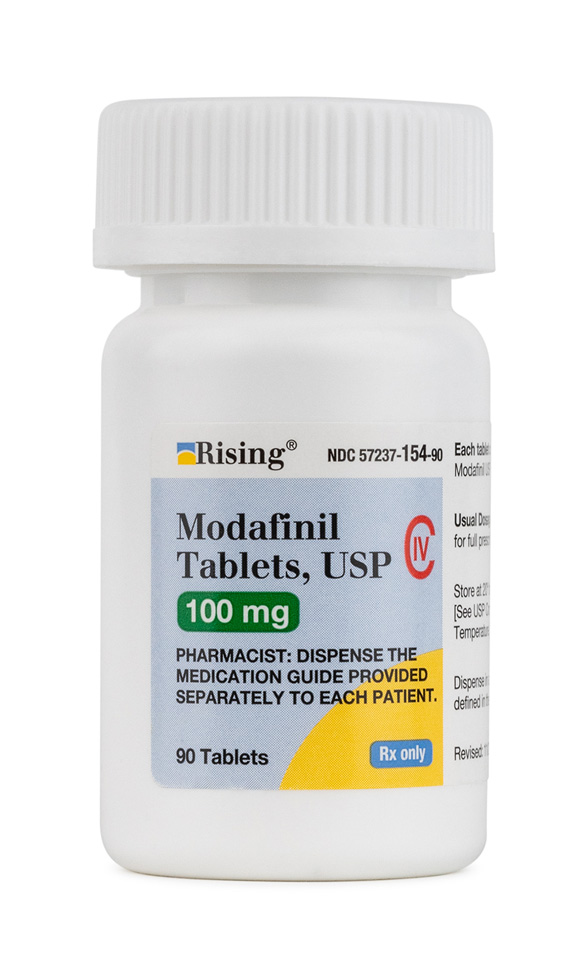
Available Strengths
Modafinil is commonly available in:
- 100 mg tablets
- 200 mg tablets
The appropriate strength depends on a variety of factors, including medical history, treatment goals, and physician recommendations.
Patients should never adjust dosage without professional guidance.
Understanding Potential Side Effects
Like any prescription medication, Modafinil may cause side effects.
Commonly reported effects include:
- Headache
- Nausea
- Dizziness
- Nervousness
- Difficulty sleeping
- Dry mouth
Many side effects are mild, but patients should seek medical advice if symptoms become severe or persistent.
Important Safety Considerations
Before starting treatment, healthcare providers often review:
- Existing heart conditions
- Blood pressure concerns
- Mental health history
- Current medications
- Pregnancy status
- Liver health
A complete medical evaluation helps determine whether Modafinil is an appropriate treatment option.
Modafinil vs Traditional Stimulants
Many people compare Modafinil to medications used for attention disorders.
While both categories may influence alertness and concentration, they work differently.
Traditional stimulant medications generally have stronger effects on dopamine and norepinephrine pathways, while Modafinil works through a broader and more complex mechanism.
This difference contributes to Modafinil’s unique clinical profile and explains why it is prescribed for specific sleep-related conditions rather than serving as a direct substitute for other medications.
Frequently Asked Questions
How quickly does Modafinil work?
Many patients begin noticing effects within one to two hours after administration.
Does Modafinil replace healthy sleep?
No. Modafinil is not a substitute for adequate sleep and should not be used to compensate for chronic sleep deprivation.
Can Modafinil cause insomnia?
Taking the medication too late in the day may interfere with nighttime sleep in some individuals.
Is Modafinil suitable for everyone?
No. A healthcare professional should evaluate individual medical history and risk factors before treatment begins.
Why Patients Visit EasyMedUSA.com
At EasyMedUSA.com, we focus on helping patients better understand prescription medications through clear, evidence-based educational content.
Our goal is to provide easy-to-read information about medication safety, treatment considerations, side effects, and frequently asked questions so visitors can make informed healthcare decisions and have productive discussions with their healthcare providers.
Reviews
There are no reviews yet.