

Description
Hydrocodone: Complete Guide to Uses, Dosage, Side Effects, Risks, and Safety Information
What Is Hydrocodone?
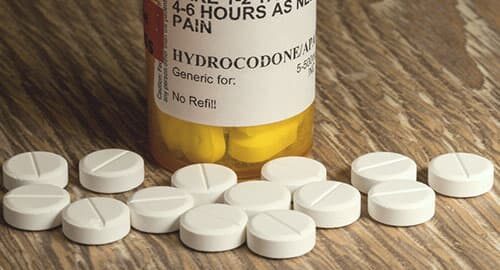
Hydrocodone is a prescription opioid medication commonly used to help manage moderate to severe pain when other pain-relief treatments may not provide sufficient benefit. It is often prescribed for short-term pain management following surgery, injury, or certain medical conditions that cause significant discomfort.
As an opioid analgesic, hydrocodone works by changing how the brain and nervous system respond to pain signals. Because it affects the central nervous system, hydrocodone should only be used under the supervision of a qualified healthcare provider.
How Does Hydrocodone Work?
Hydrocodone belongs to a class of medications known as opioid pain relievers. These medications bind to opioid receptors in the brain and spinal cord, helping reduce the perception of pain.
While hydrocodone may help manage pain symptoms, it does not treat the underlying cause of pain. Healthcare providers carefully evaluate each patient’s condition before prescribing opioid medications.
Common Uses of Hydrocodone
Healthcare professionals may prescribe hydrocodone for:
Acute Pain
Acute pain may occur after:
- Surgical procedures
- Dental procedures
- Accidents or injuries
- Certain medical treatments
Chronic Pain
In some situations, hydrocodone may be considered as part of a comprehensive pain-management plan when other treatment options are not effective.
Post-Surgical Recovery
Hydrocodone may be used to help manage pain during recovery following surgery when medically appropriate.
Available Dosage Forms
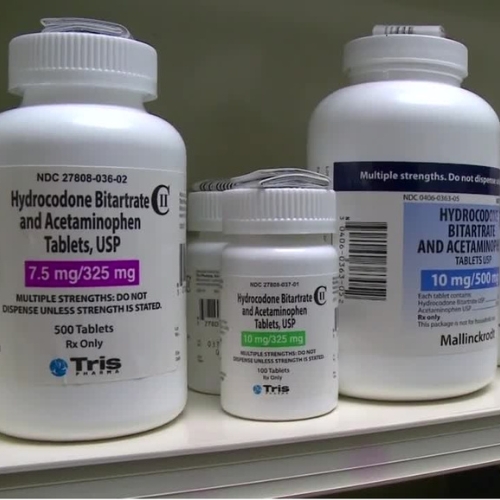
Hydrocodone is available in multiple formulations and strengths depending on the specific product and treatment plan.
Healthcare providers determine the most appropriate dosage based on:
- Age
- Medical history
- Severity of pain
- Previous medication use
- Overall treatment goals
Patients should always follow the instructions provided by their healthcare provider.
How to Take Hydrocodone Safely
To help ensure safe use:
- Take medication exactly as prescribed.
- Do not increase dosage without medical approval.
- Avoid sharing prescription medication with others.
- Store medication securely.
- Keep all follow-up appointments with your healthcare provider.
Patients should never change their dosage schedule without professional guidance.
Potential Side Effects
Like all medications, hydrocodone may cause side effects.
Common Side Effects
Some patients may experience:
- Drowsiness
- Dizziness
- Nausea
- Constipation
- Dry mouth
- Fatigue
Less Common Side Effects
Less frequently reported side effects may include:
- Headache
- Mood changes
- Difficulty sleeping
- Reduced appetite
Serious Side Effects
Seek immediate medical attention if you experience:
- Difficulty breathing
- Severe allergic reactions
- Extreme drowsiness
- Loss of consciousness
- Severe confusion
Risks and Safety Considerations
Tolerance
Over time, some individuals may develop tolerance, meaning the medication may become less effective at the same dosage.
Dependence
Physical dependence can develop with prolonged use. Patients should consult their healthcare provider before stopping treatment.
Misuse Risk
Because hydrocodone is an opioid medication, there is potential for misuse and addiction. Proper medical supervision is essential.
Drug Interactions
Hydrocodone may interact with other medications and substances.
Examples include:
- Alcohol
- Sleep medications
- Sedatives
- Certain antidepressants
- Muscle relaxants
- Other opioid medications
Always provide your healthcare provider with a complete list of medications and supplements you take.
Frequently Asked Questions
What Is Hydrocodone Used For?
Hydrocodone is commonly prescribed to help manage moderate to severe pain when appropriate.
Is Hydrocodone an Opioid?
Yes. Hydrocodone belongs to the opioid class of medications.
Can Hydrocodone Cause Drowsiness?
Yes. Drowsiness is one of the most commonly reported side effects.
Can Hydrocodone Interact With Other Medications?
Yes. Hydrocodone may interact with several medications and substances, including alcohol and sedatives.
Should Hydrocodone Be Stopped Suddenly?
Patients should consult their healthcare provider before stopping hydrocodone treatment.
Tips for Responsible Medication Use
Patients can help improve medication safety by:
- Following prescribed instructions.
- Reporting side effects promptly.
- Keeping medications secure.
- Attending routine medical appointments.
- Discussing concerns with healthcare providers.
EasyMedUSA.com – Your Trusted Online Pharmacy Resource
EasyMedUSA.com is committed to helping customers access reliable healthcare information through a secure and user-friendly platform. From medication education to streamlined product browsing, our goal is to provide a convenient online experience backed by dependable customer support, privacy protection, and a commitment to quality service.


Reviews
There are no reviews yet.