Description
Opana (Oxymorphone) Medication Guide: Benefits, Dosage Information & Safety Tips | EasymedUSA
Opana is a prescription medication that contains oxymorphone, a powerful opioid pain reliever used to treat moderate to severe pain. Healthcare providers may recommend Opana when pain cannot be adequately controlled with other treatment options.
This patient guide from EasymedUSA explains important information about Opana, including how it works, dosage strengths, possible side effects, safety precautions, and frequently asked questions.
What Is Opana?
Opana belongs to a class of medications known as opioid analgesics. These medications work by changing how the brain interprets pain signals, helping reduce discomfort and improve daily functioning for patients experiencing significant pain.
Because Opana is a strong prescription opioid, it should only be used under the guidance of a qualified healthcare provider.
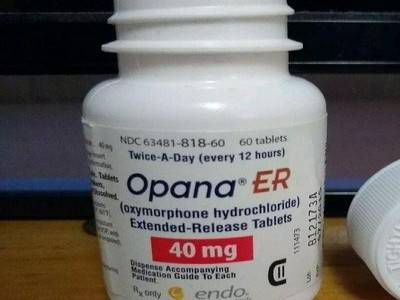
Key Facts About Opana
✔ Active Ingredient: Oxymorphone Hydrochloride
✔ Medication Type: Opioid Analgesic
✔ Common Use: Moderate to Severe Pain Management
✔ Available Strengths: 5mg, 10mg, 20mg, and 40mg
✔ Prescription Required: Yes
Available Opana Dosage Strengths
Healthcare providers may prescribe different Opana strengths depending on the patient’s treatment needs and medical history.
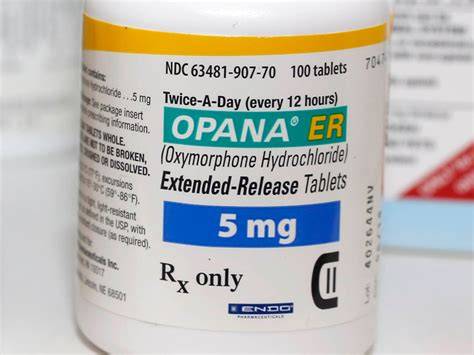
Opana 5mg
Typically prescribed for patients beginning treatment or requiring lower opioid doses.
Opana 10mg
Often used for moderate pain management when additional pain control is needed.
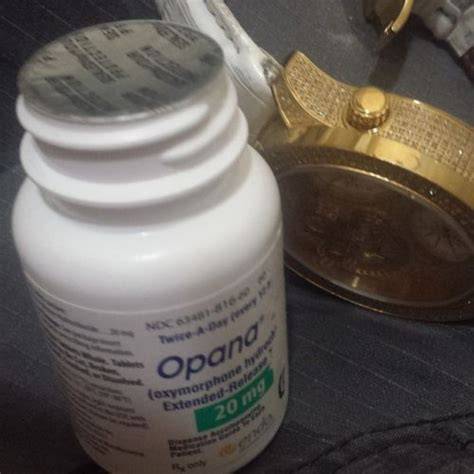
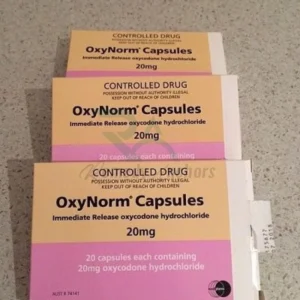
Opana 20mg
May be prescribed for patients who require stronger pain relief under medical supervision.
Opana 40mg
A higher-strength option reserved for patients with specific pain management requirements as determined by a healthcare provider.
Dosage recommendations should always be individualized and based on professional medical assessment.
How to Use Opana Safely
Using Opana correctly is important for both effectiveness and safety.
Safety Recommendations
- Take the medication exactly as prescribed.
- Never take more than the recommended dose.
- Avoid sharing your medication with others.
- Do not stop treatment suddenly without medical advice.
- Inform your healthcare provider about all medications you currently take.
Patients should contact their healthcare provider if they have questions regarding dosage adjustments or treatment duration.
Conditions Opana May Be Prescribed For
Healthcare professionals may prescribe Opana for:
- Severe injury-related pain
- Post-operative pain management
- Chronic pain conditions
- Cancer-related pain
- Other pain conditions requiring opioid therapy
Treatment decisions vary based on individual patient circumstances.
Important Safety Precautions
Before taking Opana, discuss your complete health history with your healthcare provider.
Additional monitoring may be required for patients with:
- Asthma or breathing disorders
- Liver problems
- Kidney disease
- Sleep apnea
- Previous substance misuse
- Neurological disorders
Patients should avoid alcohol and any medication that has not been approved by their healthcare provider while taking Opana.
Possible Side Effects of Opana
Like all medications, Opana may cause side effects.
Common Side Effects
- Drowsiness
- Dizziness
- Nausea
- Constipation
- Dry mouth
- Headache
Serious Side Effects
Seek immediate medical attention if you experience:
- Breathing difficulties
- Severe allergic reactions
- Extreme drowsiness
- Loss of consciousness
- Confusion
- Severe weakness
Prompt medical attention can help reduce the risk of serious complications.
Drug Interactions to Know
Certain medications and substances may increase the risk of side effects when combined with Opana.
These include:
- Benzodiazepines
- Sedatives
- Sleeping medications
- Alcohol
- Other opioid medications
- Some antidepressants
Always provide your healthcare provider with a complete list of medications and supplements before starting treatment.
Frequently Asked Questions
How quickly does Opana work?
Response times may vary depending on the prescribed formulation and individual patient factors.
Can Opana be used long-term?
Some patients may require longer treatment periods, but ongoing use should always be monitored by a healthcare provider.
Is Opana addictive?
Because Opana contains an opioid ingredient, long-term use or misuse may increase the risk of dependence, addiction, and withdrawal symptoms.
Can I take Opana with other medications?
Patients should always consult their healthcare provider before combining Opana with any prescription or over-the-counter medication.
How should Opana be stored?
Store at room temperature in a secure location away from heat, moisture, and direct sunlight.
Why Trust EasymedUSA?
At EasymedUSA, we focus on providing accurate medication information, patient education resources, dosage guidance, and healthcare content designed to support informed decision-making.
Our goal is to help patients better understand their medications while promoting safe and responsible use.
Final Thoughts
Opana is an opioid medication used in the treatment of moderate to severe pain when prescribed by a qualified healthcare provider. Learning about available dosage strengths, proper usage, side effects, and safety precautions can help patients better understand their treatment plan.
For additional medication guides, patient resources, and healthcare information, visit EasymedUSA.
Reviews
There are no reviews yet.