
Description
Demerol (Meperidine): Complete Medical Guide, Uses, Safety, and Side Effects
Introduction to Demerol (Meperidine)
Demerol, also known by its generic name meperidine, is a prescription opioid medication used for the treatment of moderate to severe pain. It is part of a group of medicines called opioid analgesics, which act on the central nervous system to change how pain is perceived by the body.
Because of its strength and potential risks, Demerol is typically used only when other non-opioid pain relief options are not effective or suitable for the patient.
In modern medical practice, meperidine is generally prescribed for short-term pain management under strict medical supervision.

How Demerol Works in the Body
Demerol works by binding to specific opioid receptors in the brain, spinal cord, and nervous system. These receptors are responsible for transmitting pain signals throughout the body.
Once meperidine attaches to these receptors, it helps:
- Reduce the intensity of pain signals
- Create a calming effect on the nervous system
- Improve short-term comfort in acute pain conditions
However, due to its potency, it must be used carefully and only under the supervision of a healthcare professional.
Medical Uses of Demerol
Healthcare providers may prescribe Demerol for short-term management of severe pain, including:
- Pain following surgical procedures
- Acute injury-related pain
- Severe pain episodes that require strong analgesics
- Pain management during medical procedures
It is not usually recommended for long-term chronic pain due to safety concerns and risk of dependence.
Available Forms and Strengths of Meperidine
Demerol may be available in different formulations depending on the treatment plan:
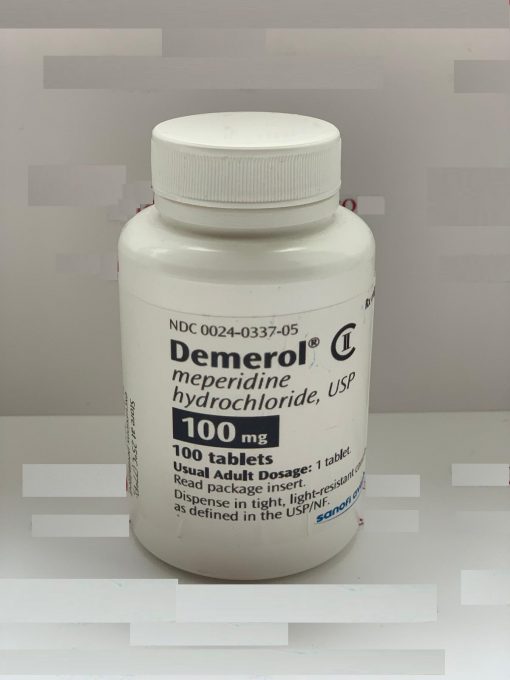
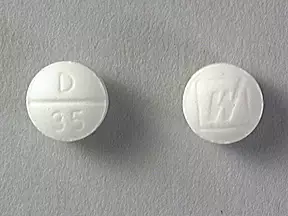
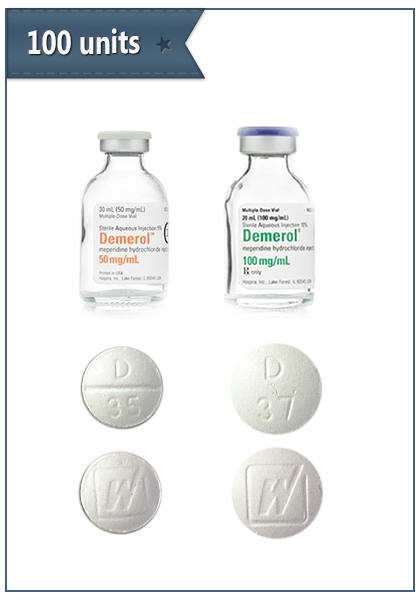
Oral Tablets
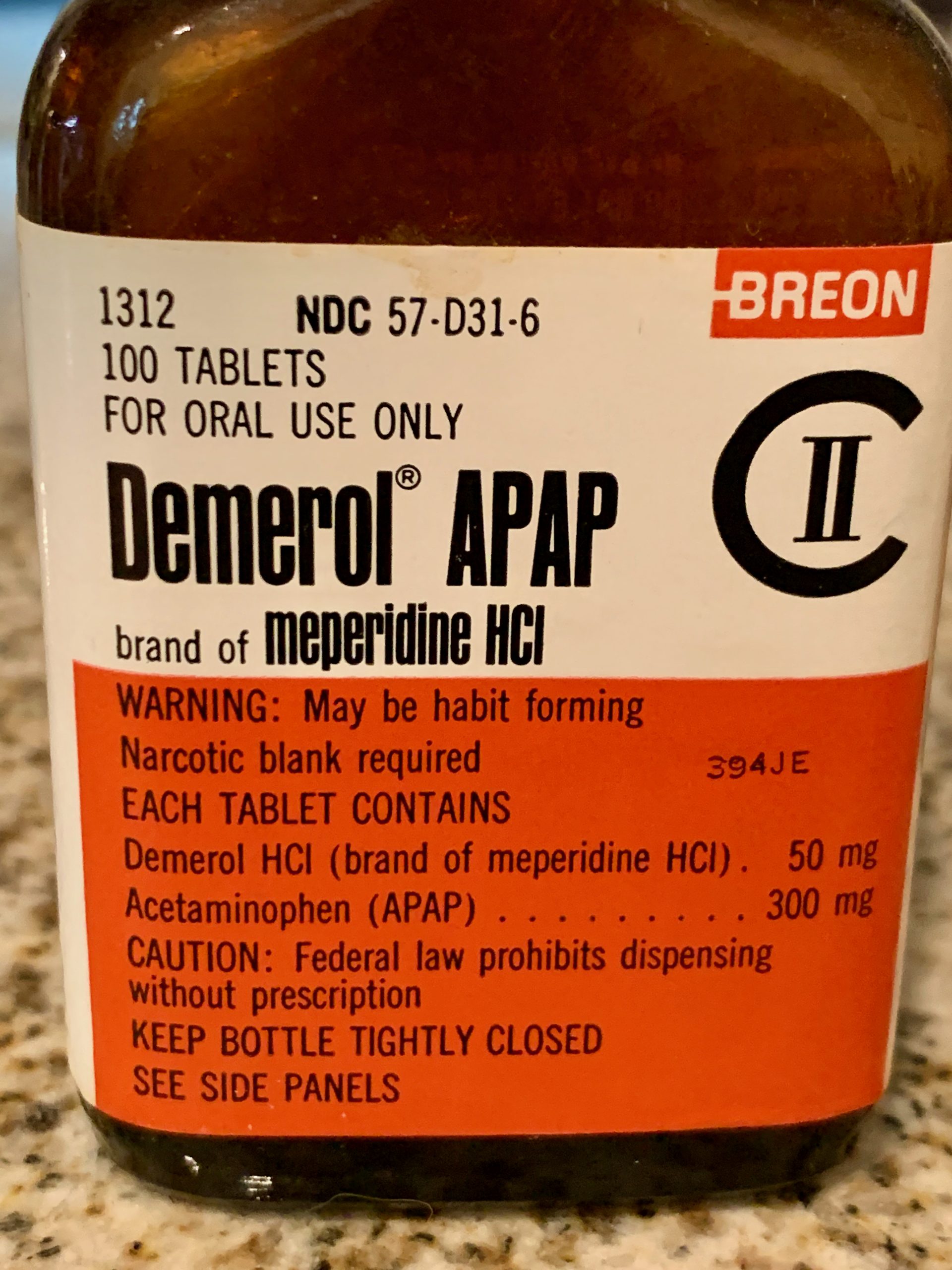
- Common strengths include 50 mg and 100 mg
- Used for short-term outpatient pain management
Oral Solution
- Typically a measured liquid formulation
- Often used when swallowing tablets is difficult
Injectable Form
- Administered by healthcare professionals only
- Used in hospitals or clinical settings for fast pain relief
Each formulation may contain different inactive ingredients depending on the manufacturer, but all are designed for controlled medical use.
How to Use Demerol Safely
Demerol must always be taken exactly as prescribed by a licensed healthcare provider.
Safe use guidelines include:
- Take only the prescribed dose at the scheduled time
- Do not increase dosage without medical approval
- Do not share medication with others
- Avoid alcohol or sedative substances while using it
- Do not crush or misuse tablets
Misuse of opioid medications can result in serious health complications, including overdose or death.
Important Safety Warnings
Before using meperidine, patients should inform their healthcare provider if they have:
- Respiratory conditions such as asthma or COPD
- Liver or kidney disease
- History of substance use disorder
- Pregnancy or breastfeeding status
- Use of antidepressants, sedatives, or other opioids
These factors can significantly affect how the medication works in the body and may increase the risk of side effects.
Possible Side Effects of Demerol
Like all opioid medications, Demerol may cause side effects. These can range from mild to severe depending on the individual.
Common side effects:
- Drowsiness or fatigue
- Dizziness or lightheadedness
- Nausea or vomiting
- Dry mouth
- Constipation
- Sweating
Serious side effects (seek immediate medical attention):
- Slow or difficult breathing
- Severe confusion or agitation
- Extreme drowsiness or unconsciousness
- Allergic reactions such as swelling or rash
Risks of Dependence and Addiction
Demerol carries a known risk of dependence, even when taken as prescribed. Over time, the body may develop tolerance, requiring medical supervision to adjust treatment safely.
Long-term or improper use can lead to:
- Physical dependence
- Psychological addiction
- Increased risk of overdose
For this reason, it is typically prescribed for short-term use only.
Proper Storage and Disposal
Safe handling of Demerol is important to prevent accidental misuse.
Storage guidelines:
- Store at room temperature
- Keep away from moisture, heat, and direct light
- Keep out of reach of children and pets
Disposal recommendations:
- Use medication take-back programs when available
- Do not share unused medication
- Dispose of expired medication safely according to medical guidelines
Some authorities may recommend flushing certain medications only when take-back options are not available.
Frequently Asked Questions (FAQ)
What is Demerol used for?
Demerol is used for short-term relief of moderate to severe pain under medical supervision.
Is Demerol still commonly prescribed?
It is used less frequently today due to safety concerns but may still be prescribed in specific medical situations.
Can Demerol be addictive?
Yes. Like other opioid medications, it carries a risk of dependence and addiction.
How long does Demerol last?
Its effects are typically short-acting and depend on dosage and individual response.
Is meperidine safe?
It can be safe when used exactly as prescribed by a healthcare provider.
Medical Disclaimer
This article is intended for educational and informational purposes only. It does not replace professional medical advice, diagnosis, or treatment. Always consult a qualified healthcare provider before starting or stopping any medication.

Reviews
There are no reviews yet.