
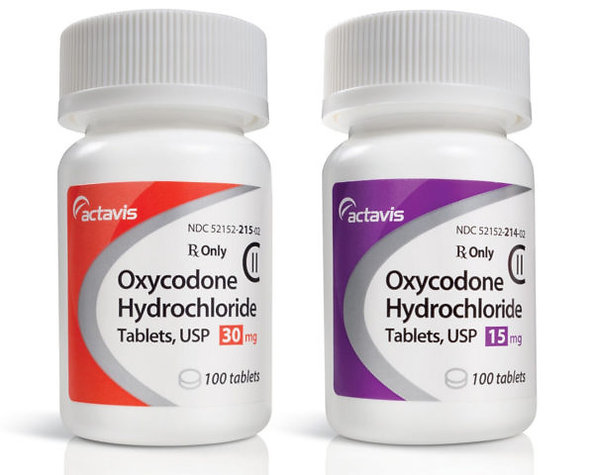
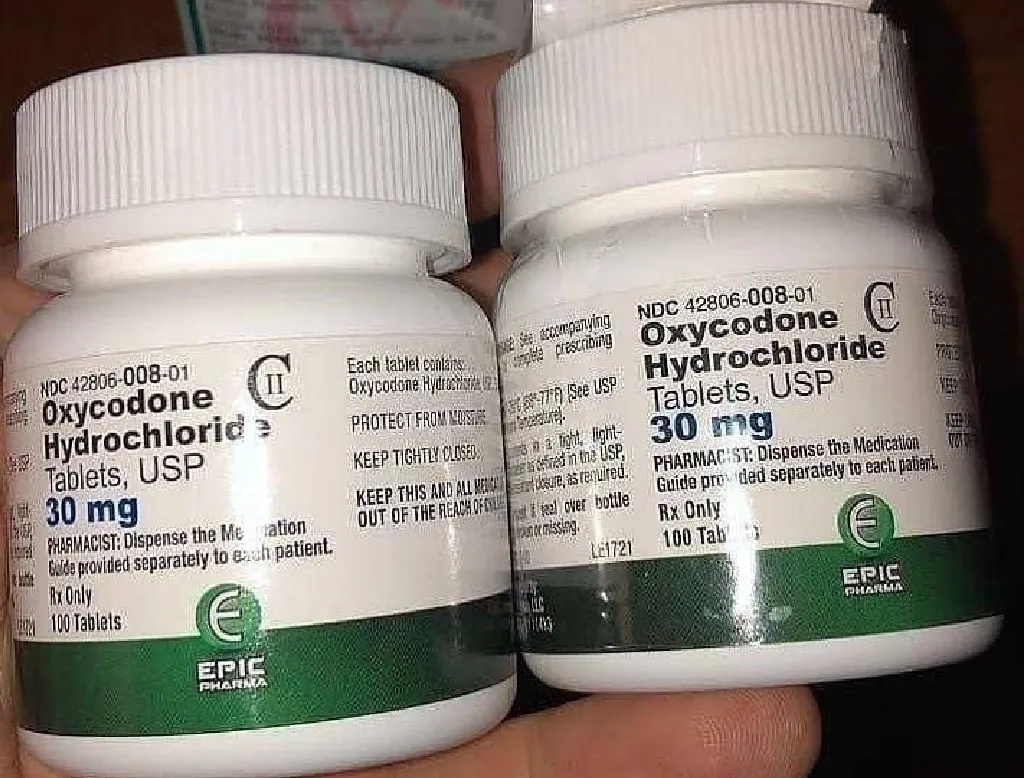
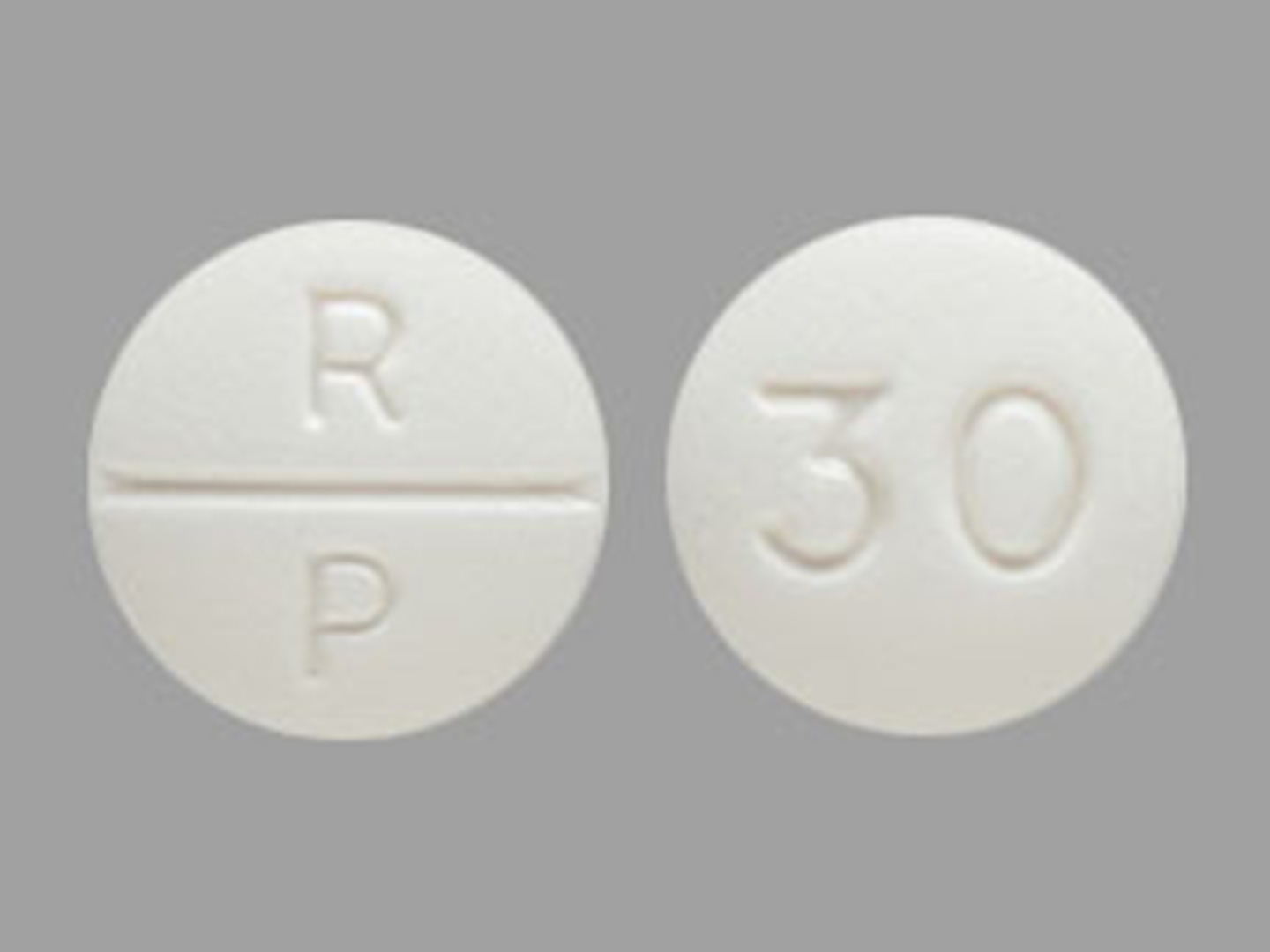
Description
Oxycodone: Complete Guide to Uses, Benefits, Dosage, Side Effects, and Safe Medical Access
Introduction to Oxycodone
Oxycodone is a powerful prescription opioid medication used in the treatment of moderate to severe pain. It is commonly prescribed when non-opioid pain relievers such as ibuprofen or acetaminophen are not effective enough to manage pain symptoms.
Due to its potency, oxycodone is classified as a controlled substance in many countries and must only be used under strict medical supervision.
This guide provides a complete overview of oxycodone, including how it works, medical uses, dosage guidelines, safety considerations, side effects, and how patients can access it legally through healthcare systems.
What is Oxycodone?
Oxycodone is an opioid analgesic that works by binding to specific receptors in the brain and spinal cord known as opioid receptors. These receptors are responsible for transmitting pain signals throughout the body.
By altering how the brain perceives pain, oxycodone provides significant relief for patients suffering from serious injuries, chronic pain conditions, or post-surgical discomfort.
It is available in both single-ingredient formulations and combination medications (for example, oxycodone combined with acetaminophen).
Medical Uses of Oxycodone
Oxycodone is prescribed for a variety of clinically significant pain conditions, including:
1. Post-Surgical Pain
After major surgery, patients may experience severe pain that requires strong pain management medications.
2. Injury-Related Pain
Oxycodone may be prescribed for fractures, trauma injuries, or severe musculoskeletal damage.
3. Chronic Pain Conditions
In cases where long-term pain management is required, doctors may prescribe oxycodone under a carefully monitored treatment plan.
4. Cancer-Related Pain
Cancer patients often experience intense pain that may require opioid-level analgesics for relief and improved quality of life.
How Oxycodone Works in the Body
Oxycodone works by interacting with the central nervous system (CNS). Once taken, it binds to opioid receptors in the brain, spinal cord, and other areas of the body.
This interaction results in:
- Reduced perception of pain
- Emotional response to pain is lowered
- Increased pain tolerance
- Sense of relaxation or sedation
However, these effects also explain why oxycodone carries a risk of dependence if misused.
Available Forms and Dosages
Oxycodone is available in multiple formulations depending on the patient’s condition:
Immediate-Release Tablets
- Provide fast pain relief
- Typically used for acute pain
- Short duration of action
Extended-Release Tablets
- Designed for long-term pain control
- Release medication slowly over time
- Used for chronic pain management
Oral Solutions
- Liquid form for patients who cannot swallow tablets
- Carefully measured dosing required
Combination Medications
- Oxycodone + acetaminophen
- Used to enhance pain relief effects
Dosage varies based on:
- Patient age
- Severity of pain
- Medical history
- Previous opioid exposure
Important Safety Information
Oxycodone is a potent opioid and must be used with caution.
Key Safety Warnings:
- Risk of addiction and physical dependence
- Can cause respiratory depression (slow breathing)
- May impair mental alertness
- Dangerous when combined with alcohol or sedatives
- Should not be shared with others
Patients are advised to follow only the prescribed dosage and never self-adjust medication amounts.
Side Effects of Oxycodone
Like all medications, oxycodone may cause side effects.
Common Side Effects:
- Drowsiness
- Constipation
- Nausea
- Dizziness
- Dry mouth
- Fatigue
Serious Side Effects (Seek Medical Help Immediately):
- Difficulty breathing
- Severe confusion
- Loss of consciousness
- Slow or irregular heartbeat
- Signs of overdose
Risks and Dependency Concerns
Oxycodone has a known potential for misuse and addiction due to its effect on the brain’s reward system.
Long-term use may lead to:
- Physical dependence
- Tolerance (needing higher doses for the same effect)
- Withdrawal symptoms when stopping
- Psychological addiction in some cases
For this reason, doctors typically prescribe the lowest effective dose for the shortest duration necessary.
Safe Use Guidelines
To reduce risks and ensure effective treatment:
- Take medication exactly as prescribed
- Do not increase dosage without medical approval
- Avoid alcohol and recreational drugs
- Store medication in a secure place
- Keep out of reach of children
- Do not share prescriptions
Medical Access and Prescription Process
Oxycodone is only available through a licensed healthcare provider.
The safe and legal process typically includes:
- Medical evaluation by a doctor
- Diagnosis of a pain-related condition
- Prescription issued if appropriate
- Pharmacy dispensing under regulation
- Follow-up monitoring for safety
Patients should always use legitimate healthcare providers and licensed pharmacies for access.
Alternatives to Oxycodone
Depending on the condition, doctors may recommend alternative treatments such as:
- Non-opioid pain relievers (ibuprofen, acetaminophen)
- Physical therapy
- Nerve pain medications
- Anti-inflammatory treatments
- Lifestyle-based pain management strategies
These alternatives may be preferred for long-term treatment due to lower risk profiles.
Frequently Asked Questions (SEO FAQ Section)
Is oxycodone safe?
Oxycodone is safe when used exactly as prescribed by a licensed healthcare professional.
How long does oxycodone stay in your system?
It typically remains in the system for 1–3 days depending on dosage, metabolism, and usage frequency.
Can oxycodone be addictive?
Yes. Oxycodone has a known risk of dependence and addiction, especially with long-term use or misuse.
What should I avoid while taking oxycodone?
Avoid alcohol, sedatives, and operating heavy machinery while taking this medication.
Do I need a prescription for oxycodone?
Yes. Oxycodone is a controlled prescription medication in most countries.

Reviews
There are no reviews yet.