
Description
Ambien (Zolpidem): Understanding Treatment Options for Insomnia
Better Sleep Starts With Understanding the Cause
Occasional sleeplessness is common, but persistent insomnia can affect daily energy levels, concentration, mood, and overall well-being. Healthcare providers may recommend lifestyle changes, sleep-hygiene improvements, or prescription treatments depending on the severity and cause of symptoms.
Ambien (Zolpidem) is a prescription medication often used for the short-term management of insomnia in appropriate patients under professional medical supervision.
Common Signs of Insomnia
People experiencing insomnia may notice:
- Difficulty falling asleep at bedtime
- Waking up frequently during the night
- Early morning awakenings
- Non-restorative sleep
- Daytime fatigue
- Difficulty concentrating during the day
Insomnia can be influenced by stress, work schedules, health conditions, medications, or changes in routine.
About Ambien (Zolpidem)
Ambien contains the active ingredient zolpidem, a medication that acts on specific receptors in the brain involved in sleep regulation.
Healthcare providers may prescribe zolpidem to help patients:
- Fall asleep more easily
- Improve short-term sleep quality
- Reduce sleep-onset delays
- Support temporary treatment of insomnia symptoms
Treatment plans should always be individualized and monitored by a qualified healthcare professional.
Available Strengths
Commonly prescribed strengths include:
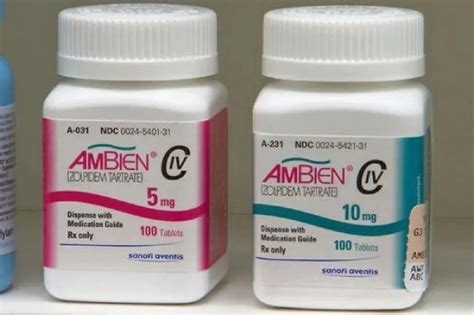
- Ambien 5mg
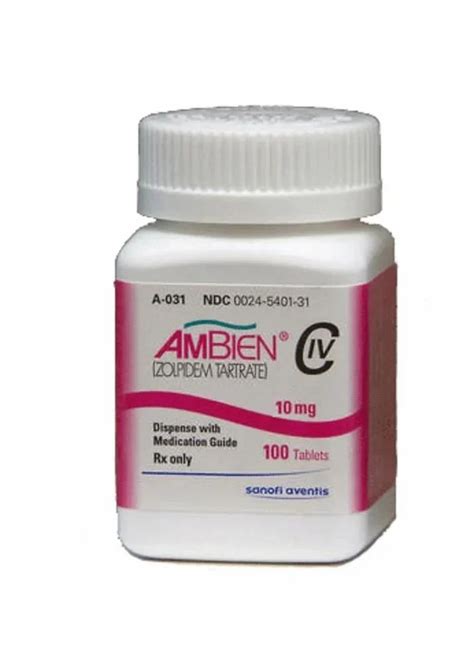
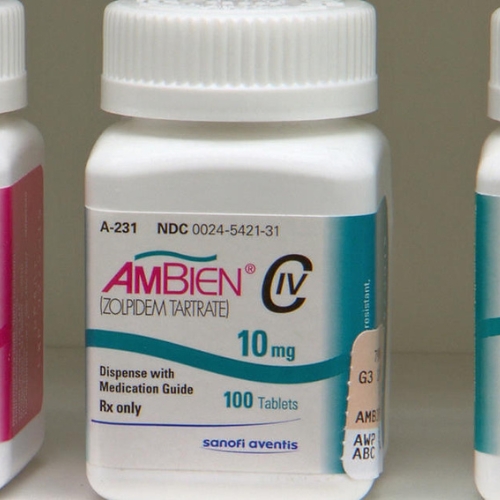
- Ambien 10mg
Dosage recommendations vary based on individual factors, including age, medical history, and treatment goals.
Important Considerations Before Treatment
Before taking zolpidem, discuss your medical history with your healthcare provider.
This is especially important if you have:
- Liver disease
- Breathing disorders
- Sleep apnea
- Mental health conditions
- A history of substance misuse
- Allergies to medications
Your healthcare provider can help determine whether zolpidem is an appropriate treatment option.
Potential Side Effects
As with many prescription medications, side effects can occur.
Some commonly reported effects include:
- Drowsiness
- Dizziness
- Headache
- Fatigue
- Nausea
Seek medical attention immediately if serious reactions occur.
Supporting Healthy Sleep Habits
Medication is often only one part of a successful sleep-management plan.
Helpful sleep practices may include:
- Maintaining a consistent sleep schedule
- Limiting screen time before bed
- Reducing caffeine intake late in the day
- Creating a comfortable sleep environment
- Following healthcare-provider recommendations
Combining healthy habits with professional guidance may improve long-term outcomes.
Why Patients Trust EasyMedUSA
EasyMedUSA is committed to providing a straightforward and secure online experience.
Customers value:
- Clear medication information
- Secure checkout systems
- Privacy-focused ordering
- Mobile-friendly website design
- Responsive customer support
- Reliable order processing
Our goal is to make medication information easier to access while supporting informed healthcare decisions.
Frequently Asked Questions
What Is Ambien Used For?
Ambien is commonly prescribed for the short-term treatment of insomnia.
Is Ambien the Same as Zolpidem?
Yes. Zolpidem is the active ingredient contained in Ambien.
How Quickly Does It Work?
Response times vary between individuals and depend on several factors.
Is Ambien Intended for Long-Term Use?
Healthcare providers often prescribe it for short-term treatment, depending on individual circumstances.
Can Lifestyle Changes Help Improve Sleep?
Yes. Many patients benefit from combining treatment plans with healthy sleep habits and professional guidance.
EasyMedUSA Medication Information Center
EasyMedUSA provides educational medication resources designed to help patients better understand treatment options, safety information, and responsible medication use. Always consult a qualified healthcare professional before starting, stopping, or changing any prescription medication.
Reviews
There are no reviews yet.